
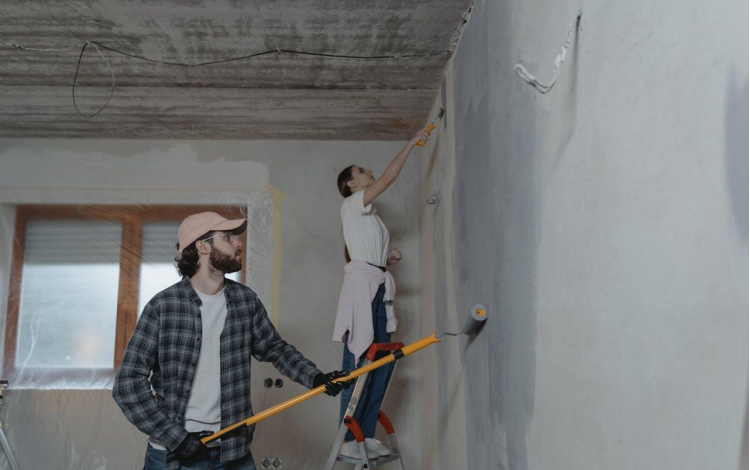
Renovating a commercial space is a major milestone for any business, serving as a clear physical manifestation of growth, evolution, and long-term ambition. However, a successful commercial remodel requires looking far beyond simple surface aesthetics. To yield a true return on investment, a renovation must be approached as a core business strategy—one that actively improves workflow efficiency, elevates the customer experience, strengthens brand identity, and reduces ongoing operational costs. When executed with meticulous planning, transforming your physical footprint can directly supercharge your bottom line.
Aligning Physical Space with Long-Term Business Goals
Before tearing down a single wall or selecting a new paint palette, business owners must clearly define the primary objective of the renovation. Are you attempting to maximize square footage to accommodate a rapidly growing workforce, or are you redesigning the layout to create a more collaborative environment? Understanding the core motivation behind the project prevents scope creep and ensures every dollar spent serves a specific functional purpose.
This phase requires looking deeply into your supply chain and operational logistics to ensure the new design supports your day-to-day business demands. For companies that rely heavily on consistent logistics, heavy equipment, or fleet management, the layout must streamline receiving and inventory handling. If your operational infrastructure relies on specialized automotive components, commercial machinery, or heavy industrial inventory, ensuring your loading bays and storage zones can seamlessly accommodate deliveries from a dedicated heavy-duty fleet partner or a specialized lincoln supplier will prevent bottlenecks and future logistical headaches.
Prioritizing High-Impact Structural and Exterior Upgrades
While it is incredibly easy to get caught up in interior design elements like lighting fixtures, ergonomic furniture, and modern flooring, the structural integrity and exterior protection of your building should always take priority. A beautiful interior means absolutely nothing if the building is plagued by water damage, poor insulation, or a failing structural foundation. Furthermore, the exterior of your building dictates the critical first impression your business makes on clients, investors, and prospective talent.
When auditing the structural health of your commercial property, the roof is arguably the most vital component to evaluate. A compromised roofing system can lead to devastating inventory loss, electrical hazards, and costly operational shutdowns. Entrusting this foundational asset to recognized industry experts ensures your property remains protected against severe weather for decades. Partnering with a proven, highly reputable commercial contracting team, such as the professionals found at priceriteroofing.com, guarantees that your structural envelope remains airtight, energy-efficient, and secure, giving you total peace of mind to focus entirely on your internal upgrades.
Cultivating an Impeccable Client and First-Class Experience
If your commercial property frequently welcomes high-value clients, international stakeholders, or premium partners, the interior environment must act as a seamless extension of your high-end brand identity. The design should immediately convey a sense of flawless execution, absolute reliability, and premium comfort. Think of your physical office or meeting space as a physical representation of elite corporate performance and luxury.
Your boardrooms and executive suites should mirror the sophisticated, highly specialized engineering found in elite corporate environments. To make an unforgettable impression on high-net-worth visitors, borrow design inspiration from premium aviation aesthetics, mimicking the sleek, space-optimized, and deeply comfortable interiors typical of private corporate aircraft like a luxury King Air turboprop. Integrating clean lines, hidden smart technology, acoustically isolated meeting rooms, and premium leather finishes tells your clients that your business operates at the absolute highest tier of professionalism and detail.
Managing Project Phasing and Minimizing Downtime
One of the most complex challenges of a commercial renovation is managing the timeline to prevent massive operational disruptions. Total downtime can quickly erase the financial benefits of an upgrade, making a phased construction schedule absolutely essential. Work closely with your general contractor to divide the project into distinct zones so your team can temporarily shift operations to completed areas while construction progresses elsewhere.
Additionally, consider implementing flexible hybrid working arrangements during the heaviest construction phases. Empowering your staff to work remotely when the environment is bound to be noisy or disruptive keeps productivity high while ensuring site safety. Clear, proactive communication with both your employees and your clients regarding the renovation schedule ensures that expectations are managed perfectly and business continuity is maintained from start to finish.
Measuring the Long-Term ROI of Your Remodel
Once the dust settles and the final inspection is complete, assessing the success of your strategic renovation goes far beyond simply reviewing the initial construction budget. A truly strategic remodel proves its value through measurable long-term metrics, such as a noticeable drop in monthly utility bills due to modern energy-efficient upgrades, a boost in employee recruitment and retention, and increased foot traffic or client closing rates.
Ultimately, a commercial renovation is a powerful statement of intent. It tells the market, your competition, and your clients that your business is actively investing in its future and preparing for the next chapter of success. By blending structural necessity with premium aesthetics, optimizing day-to-day logistics, and minimizing operational friction, you transform a simple construction project into a dynamic asset that drives organizational growth for years to come.


